8 Dermatologist-Approved Ways to Fade Hyperpigmentation Naturally and Effectively
Hyperpigmentation is a common skin condition that causes patches of skin to become darker than the surrounding area. This discoloration occurs when the skin produces excess melanin, the pigment responsible for your skin color. From sunspots to melasma and post-inflammatory marks, hyperpigmentation can result from sun exposure, acne, hormonal changes, or even certain medications. Thankfully,
Hyperpigmentation is a common skin condition that causes patches of skin to become darker than the surrounding area. This discoloration occurs when the skin produces excess melanin, the pigment responsible for your skin color.
From sunspots to melasma and post-inflammatory marks, hyperpigmentation can result from sun exposure, acne, hormonal changes, or even certain medications. Thankfully, there are multiple dermatologist-recommended treatments to help reduce dark spots and even out your skin tone.
Here are 8 proven ways to get rid of hyperpigmentation, according to experts.
- Use a Moisturizer With Active Ingredients to Boost Cell Turnover
Keeping your skin hydrated is key to promoting healthy cell turnover. Look for moisturizers containing:
- Hyaluronic acid or glycerin for hydration
- Retinol to accelerate cell renewal
- Ceramides to repair the skin barrier
“Moisturizing allows active brightening agents to work more effectively,” says Dr. Doris Day, dermatologist and author.
- Apply Sunscreen Daily to Prevent Dark Spots
UV exposure is a major trigger for hyperpigmentation. Use a broad-spectrum SPF 30 or higher every day, rain or shine.
- Reapply every 2 hours when outdoors
- Avoid the sun between 10 a.m. and 2 p.m.
- Wear protective clothing and a wide-brimmed hat
UV rays can worsen existing dark spots and trigger new ones.
- Avoid Picking or Scratching Your Skin
Touching acne, bug bites, or scabs can worsen inflammation, leading to post-inflammatory hyperpigmentation (PIH).
“The more you mess with it, the worse it’ll look later,” says Dr. Jeanine Downie, dermatologist at Image Dermatology.
- Try Over-the-Counter Brightening Products
Early treatment is more effective. Look for these ingredients in OTC serums or creams:
- Vitamin C – brightens and protects skin
- Azelaic acid – reduces melanin production
- Glycolic acid – exfoliates and fades dark spots
- Kojic acid and licorice root – inhibit tyrosinase, the enzyme responsible for melanin production
Always choose U.S.-made skin-lightening products to avoid harmful ingredients like mercury or steroids.
- Talk to a Dermatologist for Prescription Treatments
When OTC options don’t work, dermatologists may prescribe:
- Hydroquinone – the gold-standard for lightening dark spots
- Tretinoin – a retinoid that boosts skin cell turnover
- Topical corticosteroids – to reduce inflammation
Hydroquinone should be monitored by a doctor as overuse may lead to irritation or over-lightening.
- Explore In-Office Treatments for Faster Results
Advanced dermatological treatments for stubborn hyperpigmentation include:
- Chemical peels
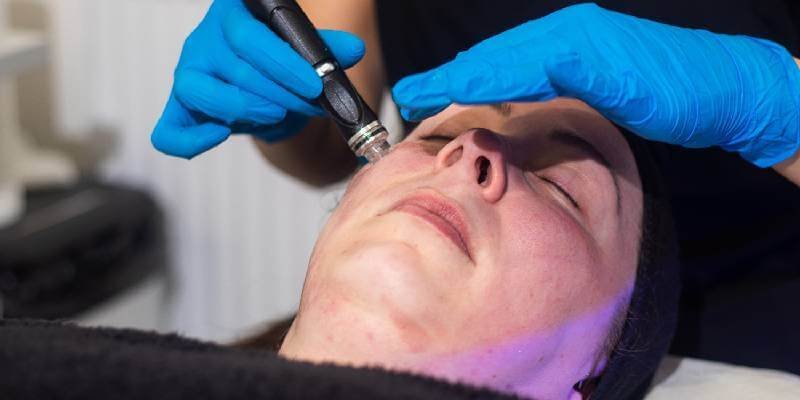
- Microneedling
- Microdermabrasion
- Laser therapy or broadband light (BBL)
Caution: These procedures should be performed by professionals, especially for darker skin tones to prevent further pigmentation issues.
- Use Aloe Vera to Naturally Brighten Skin
Aloe vera, rich in aloesin, has anti-inflammatory and skin-lightening properties. It helps soothe irritation and may inhibit melanin production.
Avoid using lemon juice on your skin, as it may cause phytophotodermatitis — a reaction that worsens hyperpigmentation when exposed to sunlight.
- Follow a Skin-Healthy Diet
Your diet impacts your skin health. For clearer, brighter skin, eat foods rich in:
- Vitamins A, B, C, E
- Zinc, magnesium, and calcium
- Antioxidants (like green tea and licorice root)
Avoid:
- High-glycemic foods (like white bread and sugary snacks)
- Excess alcohol, which can worsen discoloration
Nutrient-dense foods can boost skin repair, while poor nutrition may dull your complexion and worsen pigmentation.
Final Thoughts on Treating Hyperpigmentation
Hyperpigmentation is typically harmless but can affect your confidence. With the right combination of skincare, sun protection, and possibly dermatological treatments, you can significantly improve dark spots and restore your skin’s natural glow.
If you experience redness, irritation, or pus, consult a board-certified dermatologist for a proper diagnosis and treatment plan.
Related Stories

Anti-Amyloid Alzheimer’s Drugs Face New Doubts: Cochrane Review Finds ‘Trivial’ Effects
A bombshell Cochrane review questions the effectiveness of anti-amyloid Alzheimer’s drugs like Leqembi and Kisunla, calling their benefits “absent or trivial” despite FDA approvals. Cochrane Analysis: Little to No Clinical Benefit The nonprofit Cochrane compiled data from 17 placebo-controlled studies on seven amyloid-beta-targeting monoclonal antibodies, involving over 20,000 people with mild cognitive impairment or mild Alzheimer’s dementia.
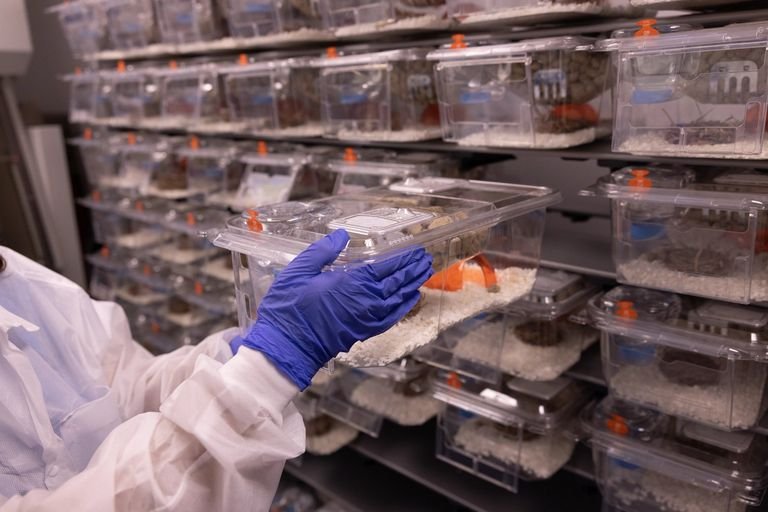
‘Universal’ Nasal-Spray Vaccine Shows Broad Protection in Mice Against Viruses, Bacteria and Allergens
A groundbreaking early-stage study suggests that a single nasal-spray vaccine could one day protect against multiple respiratory viruses, harmful bacteria, and even common allergens. In laboratory tests on mice, researchers found that an experimental vaccine triggered broad immune protection raising hopes for what scientists describe as a potential “universal” respiratory vaccine. However, experts caution that

10 Heart-Healthy Ingredient Substitutions to Lower Cholesterol and Protect Your Heart
10 Heart-Healthy Ingredient Substitutions for Better Cardiovascular Health Eating heart-healthy foods is one of the most effective ways to protect your cardiovascular system, lower disease risk, and support long-term wellness. The right nutrition can help regulate cholesterol, reduce high blood pressure, maintain healthy weight, and even aid recovery after a heart attack. Whether you’re preventing